
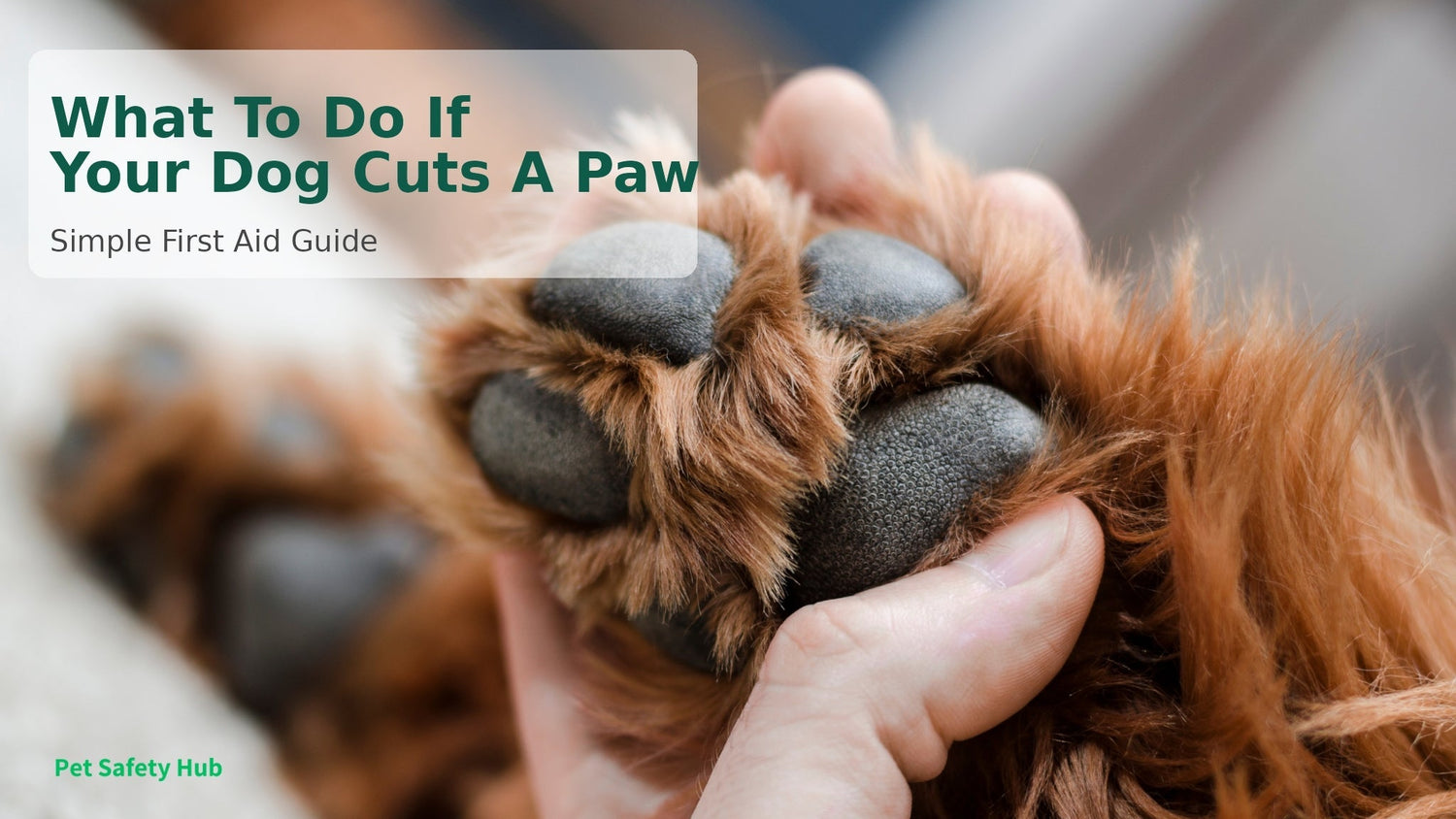
What To Do If Your Dog Cuts A Paw: A Simple First Aid Guide
Dogs love exploring, whether it's a countryside walk, a trip to the beach or simply playing in the garden. Unfortunately, adventurous dogs can sometimes suffer cuts, grazes or injuries to their paws.
While many minor paw injuries can be managed calmly at home, it's important to know how to assess the injury, provide basic first aid and recognise when veterinary attention may be needed.
In this guide, we'll explain what to do if your dog cuts a paw and how to help keep them comfortable and safe.
Quick Guide
✓ Stay calm and keep your dog still
✓ Check the paw carefully for cuts, debris or bleeding
✓ Clean the area gently
✓ Apply a suitable dressing if needed
✓ Monitor for signs of infection
✓ Contact your vet if you're concerned
Why Are Paw Injuries Common?
A dog's paws are exposed to all sorts of surfaces and environments. Common causes of paw injuries include:
- Sharp stones or gravel
- Broken glass
- Thorns or splinters
- Rough terrain
- Hot pavements
- Sharp objects hidden in long grass
Even small cuts can be uncomfortable and may become infected if not properly cared for.
How to Check Your Dog's Paw
If you notice your dog limping, licking their paw excessively or appearing uncomfortable, carefully inspect the affected paw.
Look for:
- Cuts or grazes
- Bleeding
- Swelling
- Splinters or foreign objects
- Redness or irritation
- Damage between the paw pads
Speak calmly and handle the paw gently to avoid causing further discomfort.
What To Do If Your Dog Cuts A Paw
Step 1: Stay Calm
Dogs often pick up on their owner's emotions. Remaining calm will help keep your dog relaxed and make it easier to assess the injury.
Step 2: Examine the Paw
Carefully check the affected area and identify where the injury is located.
If there is a foreign object embedded in the paw or the injury appears serious, contact your veterinary practice for advice.
Step 3: Clean the Area
If the injury is minor, gently clean the affected area to remove dirt and debris.
Avoid using products that may irritate the wound.
Step 4: Apply a Dressing if Needed
For minor cuts or grazes, a clean dressing may help protect the area from dirt while the paw heals.
Ensure any dressing is secure but not too tight, as this may affect circulation.
Step 5: Monitor Your Dog
Keep an eye on the injury over the following days.
Watch for:
- Increased redness
- Swelling
- Discharge
- Persistent bleeding
- Ongoing discomfort
- If the injury does not improve or appears to worsen, seek veterinary advice.
When Should You Contact Your Vet?
You should contact your vet if:
- The cut is deep
- Bleeding will not stop
- A foreign object is embedded in the paw
- Your dog is unable to bear weight on the leg
- Signs of infection develop
- You are concerned about your dog's condition
- When in doubt, it's always best to seek professional veterinary advice.
How to Help Prevent Paw Injuries
While accidents can happen, there are a few simple steps you can take to reduce the risk of paw injuries:
- Check walking routes for hazards
- Avoid hot pavements during warm weather
- Inspect paws after long walks
- Trim excess fur around paw pads if appropriate
- Carry basic pet first aid supplies when travelling
- Being prepared can make all the difference when minor incidents occur.
Stay Prepared for Everyday Adventures
Paw injuries can happen unexpectedly, particularly during walks, hikes and outdoor adventures.
The Happy Tails Essentials Pet First Aid Kit includes practical pet care essentials such as dressings, gauze pads, tape, wipes and a quick-reference QR guide designed to help pet owners feel prepared for everyday situations.
Looking to stay prepared on walks and outdoor adventures? Explore the Happy Tails Essentials Pet First Aid Kit and Pet Safety Hub for practical pet care guidance and first aid essentials.
Final Thoughts
Minor paw injuries are a common part of an active dog's life. By knowing how to assess a cut, provide basic first aid and recognise when veterinary care is needed, you can help keep your dog comfortable and safe while enjoying future adventures together.
Important Disclaimer
This article is provided for general guidance only and does not replace professional veterinary advice. The Happy Tails Essentials Pet First Aid Kit is intended for minor pet incidents and is not a substitute for professional veterinary care. If you are concerned about your pet's health or wellbeing, please contact your veterinary professional.

Leave a comment
This site is protected by hCaptcha and the hCaptcha Privacy Policy and Terms of Service apply.