
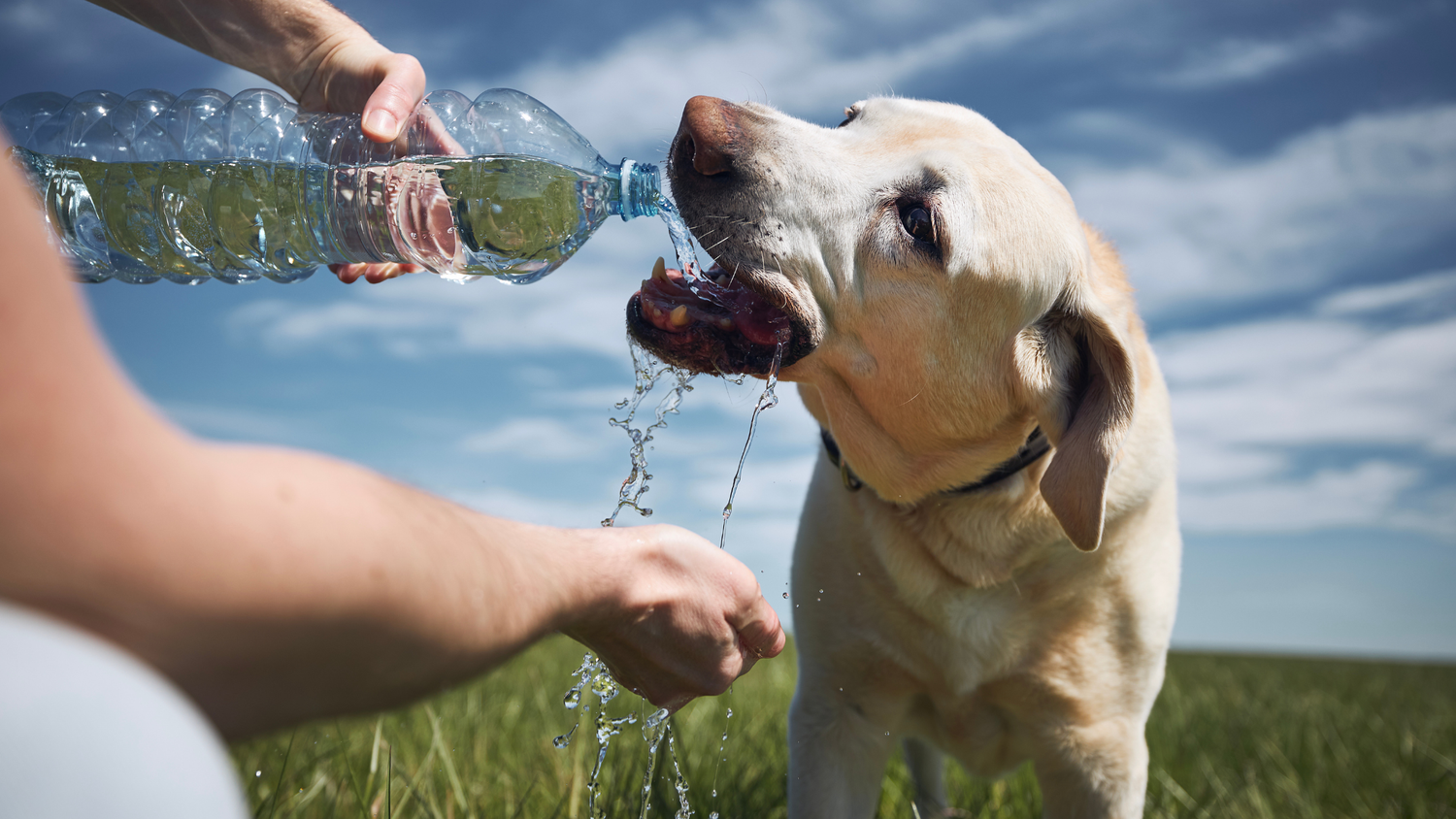
Signs of Heatstroke in Dogs Every Owner Should Know
As temperatures rise during spring and summer, it's important for dog owners to understand the risks associated with heat and hot weather.
Dogs cannot regulate their body temperature as effectively as humans, which means they can quickly become overheated in warm conditions. Heatstroke is a serious condition that requires immediate attention and can become life-threatening if left untreated.
In this guide, we'll explain the common signs of heatstroke in dogs, what to do if you suspect your dog is overheating, and how to help prevent heat-related problems.
Quick Guide
✓ Excessive panting
✓ Drooling more than usual
✓ Lethargy or weakness
✓ Bright red gums or tongue
✓ Vomiting or diarrhoea
✓ Difficulty walking or collapse
✓ Seek veterinary assistance immediately if you suspect heatstroke
What Is Heatstroke?
Heatstroke occurs when a dog's body temperature rises beyond its ability to cool itself effectively.
Unlike humans, dogs primarily regulate their temperature through panting and limited sweating through their paw pads. During hot weather, strenuous exercise or poor ventilation, they may struggle to cool down sufficiently.
Heatstroke can develop quickly and should always be treated as a veterinary emergency.
Common Signs of Heatstroke in Dogs
Knowing the warning signs can help you act quickly.
Look out for:
- Excessive panting
- Heavy drooling
- Rapid breathing
- Bright red or dark red gums
- Increased heart rate
- Weakness or lethargy
- Restlessness
- Vomiting
- Diarrhoea
- Difficulty standing or walking
- Collapse
If you notice any of these symptoms, move your dog to a cool area and contact your vet immediately.
Dogs More at Risk
Some dogs may be more vulnerable to heat-related problems, including:
- Flat-faced breeds (such as Bulldogs, Pugs and French Bulldogs)
- Older dogs
- Puppies
- Overweight dogs
- Dogs with existing health conditions
- Dogs exercising during warm weather
Extra care should be taken with higher-risk pets, particularly during hot summer days.
What To Do If You Suspect Heatstroke
Step 1: Move Your Dog to a Cooler Area
Take your dog into the shade or a cool, well-ventilated area as soon as possible.
Step 2: Offer Cool Water
Provide fresh drinking water but do not force your dog to drink.
Step 3: Begin Gentle Cooling
Use cool (not ice-cold) water to help gradually lower your dog's temperature.
Avoid sudden or extreme cooling methods.
Step 4: Contact Your Vet Immediately
Even if your dog appears to improve, veterinary assessment is strongly recommended.
Heatstroke can cause internal complications that may not be immediately visible.
How to Help Prevent Heatstroke
Prevention is always better than treatment.
Simple ways to help keep your dog safe include:
- Walk your dog during cooler parts of the day
- Carry fresh water on walks
- Avoid strenuous exercise during hot weather
- Provide access to shade
- Ensure good ventilation
- Monitor your dog closely on warm days
Never Leave a Dog in a Vehicle
Never leave your dog unattended in a car, even for a short period.
Vehicle temperatures can rise rapidly and become dangerous within minutes, even when the weather does not feel excessively hot.
Stay Prepared for Warm Weather Adventures
Whether you're heading to the park, travelling or enjoying outdoor adventures, preparation is key.
The Happy Tails Essentials Pet First Aid Kit includes practical pet care essentials and access to the Pet Safety Hub, providing helpful guidance for everyday adventures and minor pet incidents.
Looking to stay prepared? Explore the Happy Tails Essentials Pet First Aid Kit and Pet Care Guides for practical pet safety information and resources.
Final Thoughts
Heatstroke is a serious condition that can affect dogs quickly during warm weather. By understanding the warning signs and taking sensible precautions, you can help keep your dog comfortable, safe and ready to enjoy the summer months.
Important Disclaimer
This article is provided for general guidance only and does not replace professional veterinary advice. If you suspect your dog may be suffering from heatstroke or any other serious condition, seek veterinary assistance immediately.



Leave a comment
This site is protected by hCaptcha and the hCaptcha Privacy Policy and Terms of Service apply.